“I really just make costumes with a Frankenstein approach.” – Coach Milla
Milla Marshall, SANCA’s costume guru, shares tips
for creating unique costumes that don’t break the bank.
Her advice? A basic leotard is a great place to start – giving you the basic construction of your outfit to build on from there. If you don’t already have one, you may want to check out Center Stage Dance Shop in the U- District, or Discount Dance online. A black or nude leotard is a good staple to have in your closet, or your act may call for a more colorful choice.
Things to keep in mind as you begin making your outfit. Pay attention to how you need to move in your act and the specific apparatus you’re using. Circus arts require special attention to fabric and costume bobbles, because your safety comes first and you want to make sure the costuming won’t get trapped in your apparatus.
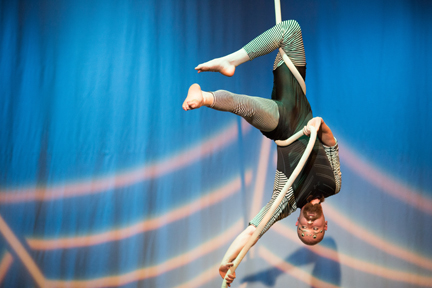
Corde Lisse & Silks – You’ll want costume fabric that has some grab to it, so higher cotton blends are a good thing to pay attention to. Fabrics which are higher in spandex than cotton can slip more in the apparatus. That doesn’t mean you necessarily need to stay away from those fabrics, just that they require a little more of your own strength to hold you there rather relying on a grippy fabric doing some of that work for you. It is also important to make sure your costume fits snugly against your body to avoid wrapping the costume up in the rope or silks during your act.
You can, check out local vintage and thrift stores and have fun! Get creative with it, and remember that you can always cut out what you like and leave the rest!
- Red Light Vintage in the U-District
- Vee Vintage in the Fremont Vintage Mall
- Bon Voyage Vintage in Pioneer Square
And of course Goodwill and Value Village are always your best bet for inexpensive clothing.
Want to learn how to sew?
Pacific Fabrics, is a great local resource to purchase fabric and learn techniques for sewing and garment construction. They have short classes, usually just a couple days, to learn everything from basic sewing to garment construction at each of their locations in Bellevue, SODO, and Northgate. You can check out their calendar for upcoming classes here.
March 1st through the 4th, Puyallup Fairgrounds is hosting a huge sewing expo, with a large selection of fabrics and over 100 sewing classes held every day. Plus, these drop-in classes are just a couple hours and cost between $6 and $50.
Already know how to sew?
YouTube is also a great resource for project specific tutorials. For some acts, you may be able to get away with an elaborate tutu, like the one from this video tutorial Milla recommends:
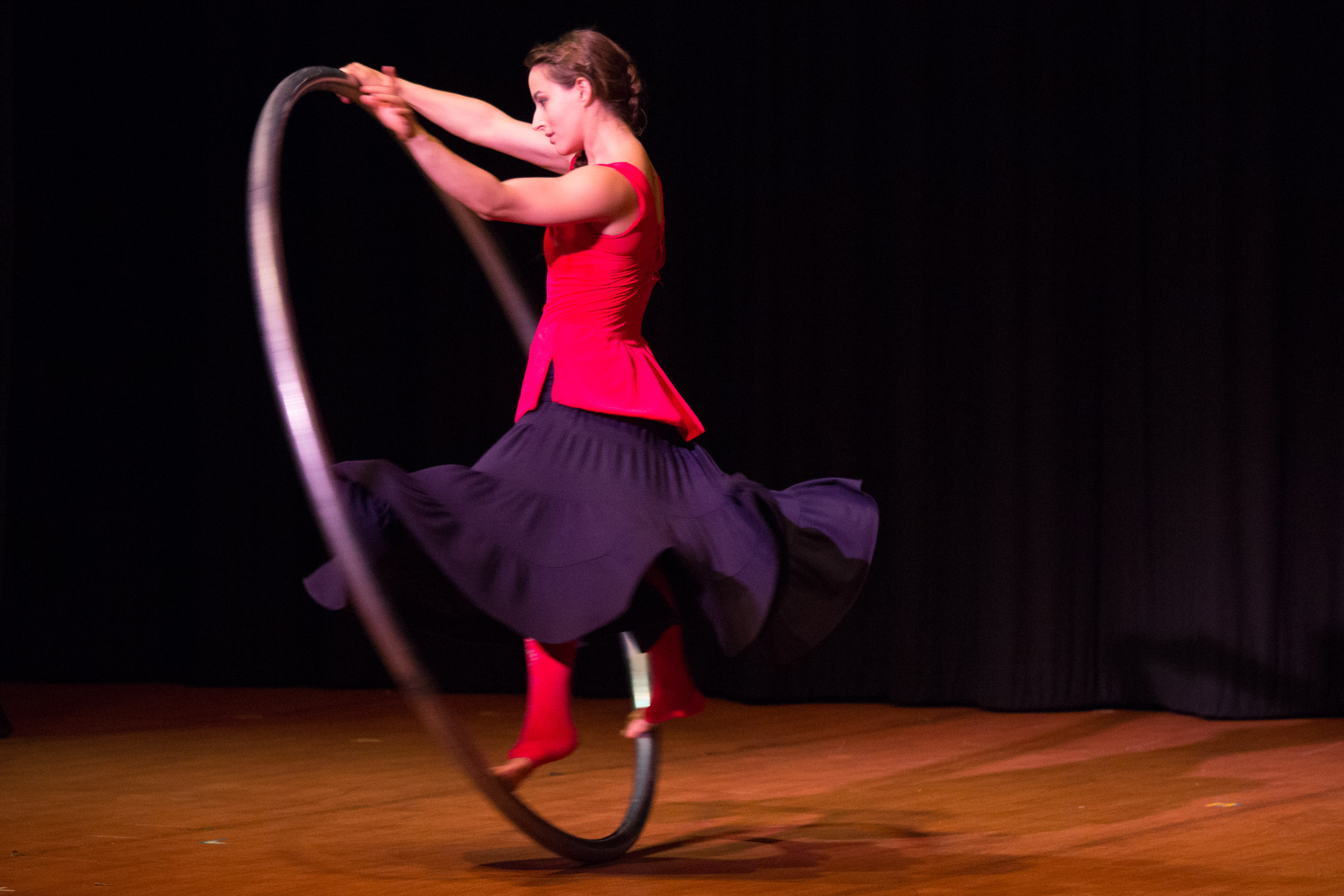
For Cyr Wheel – wrap skirts can be a good alternative because they are simple to make and show your movement while spinning. Be sure you leave a little extra room above your ankles than in this tutorial so your feet don’t get trapped as you move!
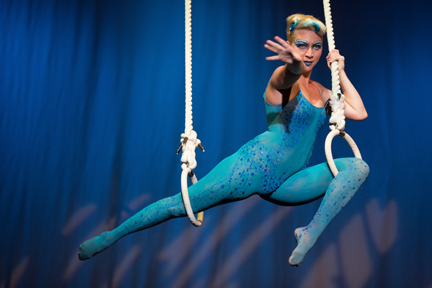
For Trapeze and Lyra – you may want to consider purchasing a pair of trapeze boots, also known as “gaiters,” which are usually made from leather or suede with cut outs for your toes and heels. The material allows you to maintain grip strength for toe and ankle hangs, but protects your actual skin in the process. Each pair is custom made according to the measurements of your arch, ankle, and calf. Because of the materials and custom nature, these boots can run a little pricier, from $130 – $200+, but should last you for years.
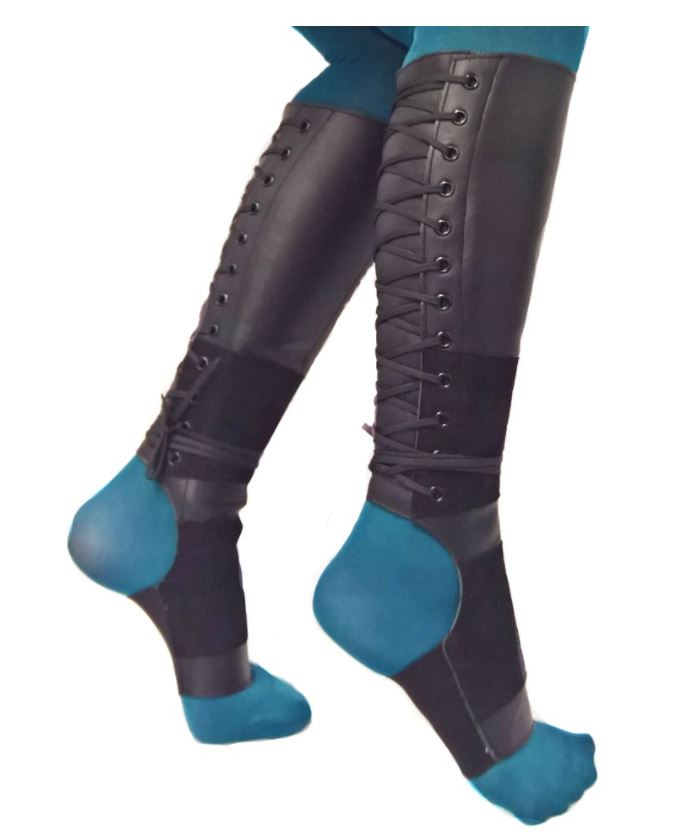
Photo from IsabellaMars.com “Classic Black Aerial Boots”
Etsy is a good place to check out multiple shops to find the right trapeze boot for you, but you can also check out AerialBoots.com, and IsabellaMars.com, for more information on sizing and fit. Just keep in mind both of these companies ship from Europe so it takes a little longer to get your order and you’ll need to convert the cost to US dollars.
I hope this helps you get started with your costume for SASS or future performances!
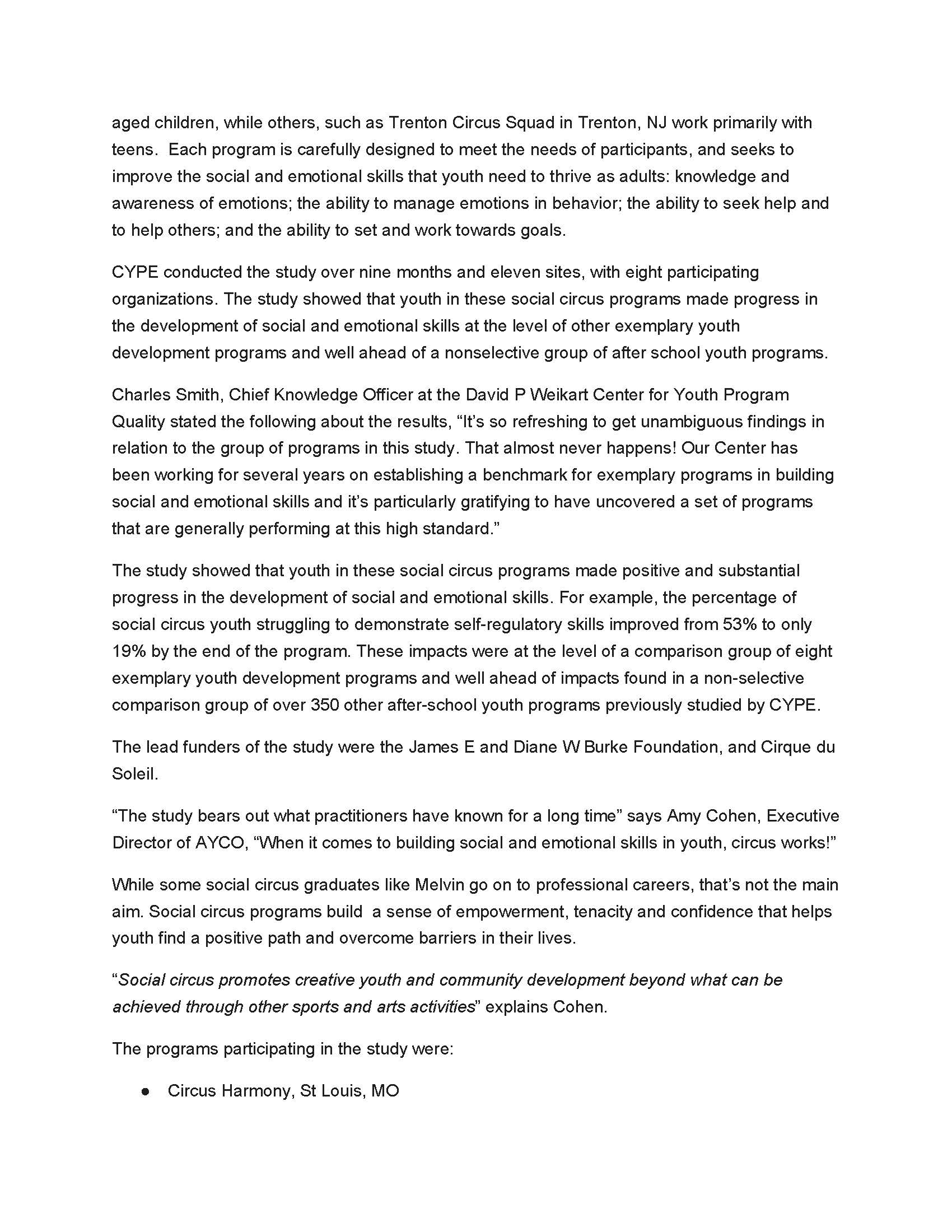
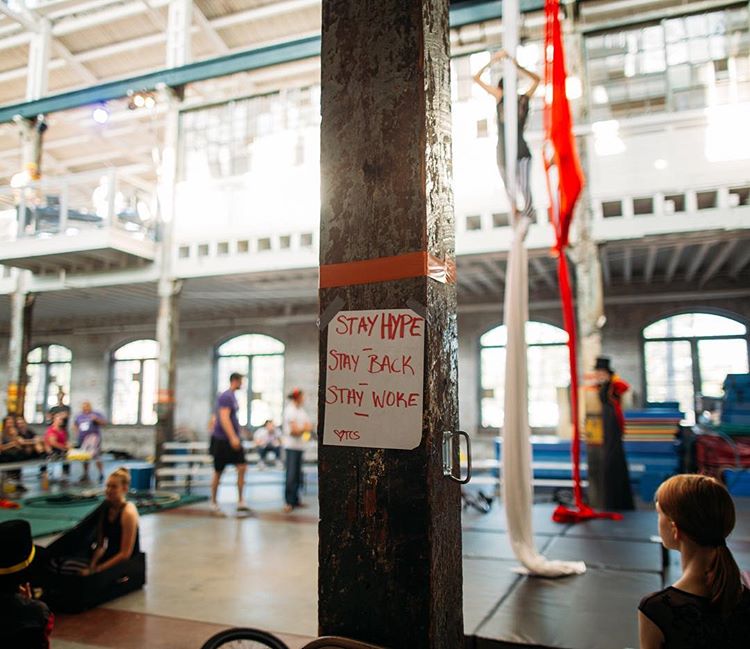 In 2017, SANCA participated in the first evidence-based, national study looking at the socio-emotional benefits of Social Circus on young people in the United States. Organized by the American Youth Circus Organization (AYCO) and the Weikart Center for Youth Program Quality, the study collected thousands of data points over nine months, with information that includes participating youth reporting on their own lives, program staff observations of youth behavior, and external program quality assessments. To support the research, AYCO asked SANCA to contribute to the data collection efforts which resulted in AYCO sending me to experience the rich diversity of Social Circus programs and Social Circus organizations in Saint Louis, Oakland, and San Diego.
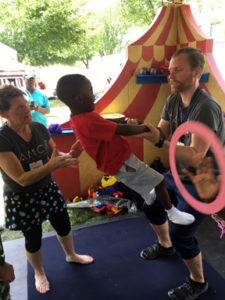 Beyond this major study, 2017 saw SANCA share our work out in the world unlike ever before. In June, SANCA participated in the 50th Smithsonian Folklife Festival, bringing our particular approach to adaptive circus to share with the 600,000+ visitors who attended the festival. SANCA was honored by the Smithsonian with being the only organization entrusted to directly engage the public in a variety of circus activities including: tightwire, acrobatics, trapeze, and aerial sling. During our time there, we introduced thousands of visitors of all ages, background, and abilities to their first experience of being a circus artist–it was fantastic!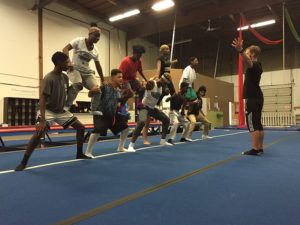
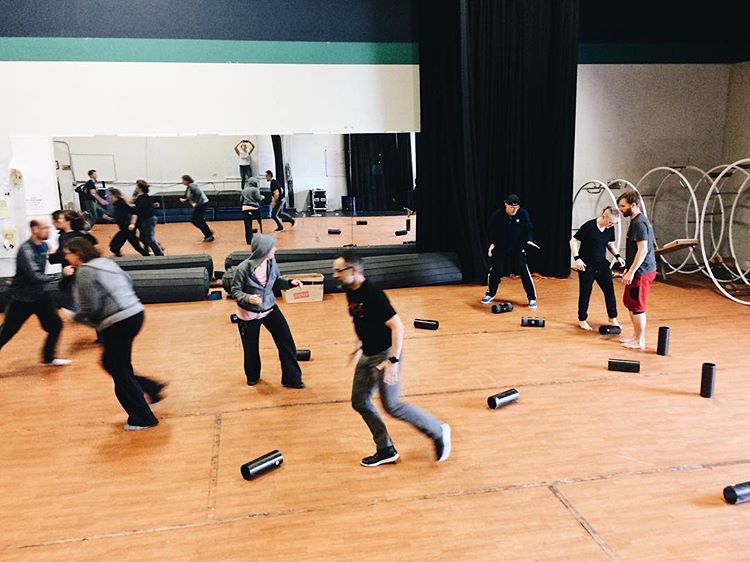
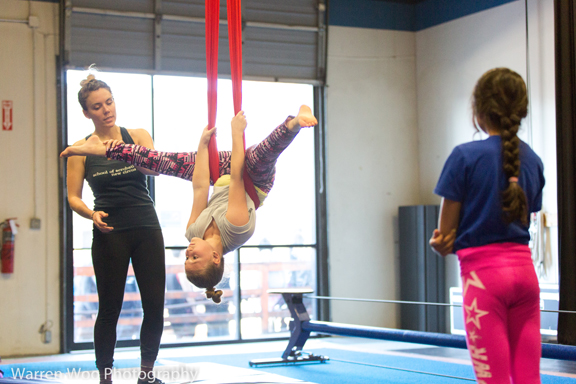 SANCA continues our commitment to develop as a leader in Social Circus, increasingly becoming a destination for students, practitioners and research.
 In 2018, we will be joining the international circus community in a year-long celebration of the 250th anniversary of modern circus. Be on the lookout for events and performances celebrating the rich past, present, and future of circus. And in the spirit of Social Circus, we will be taking these festivities into communities all over Seattle! We invite you all to join us not just in celebration of others, but in taking your own place in the spectacular, vibrant history of circus arts.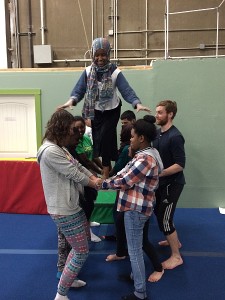
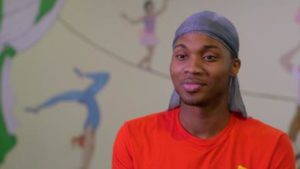
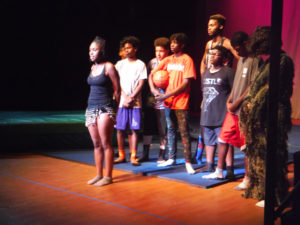 A favorite moment in the program for Monte was when the group got the idea for their showcase. “The Break Out” was RODA’s spring show in 2017, covering topics from mass incarceration and institutional racism to the Black Lives Matter movement and the participants’ dreams for their own future. Shortly before the show’s scheduled performance, police shot and killed local resident Charleena Lyles in her home. After the show, students and attendees participated in a community discussion to discuss the topics the show addressed.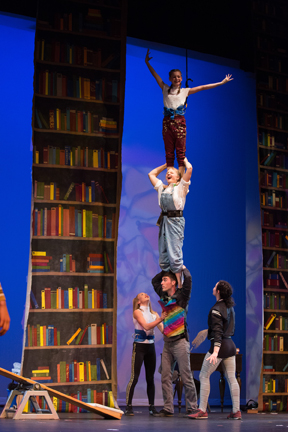
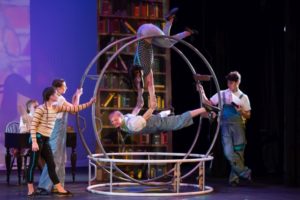
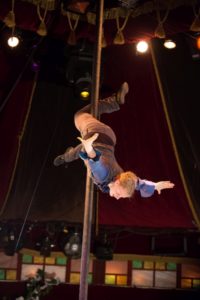

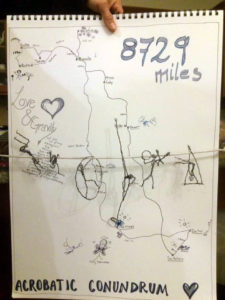
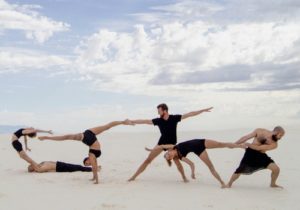
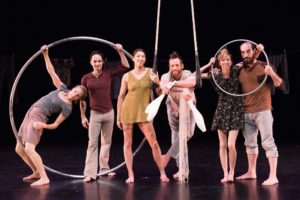 The Acrobatic Conundrum, the contemporary circus group founded by Terry Crane, have spent the last three months touring the western United States with their show, Love and Gravity. Now they have returned to Seattle presenting two new shows: a cabaret, “
 SANCA – “A circus artist trains and works so hard in bringing their art to the stage. Powering up with healthy food must be very important. What is the best snack to pair with your apparatus of choice?”
 ANCA– “Finish this sentence: At the end of a best day in circus I feel…”